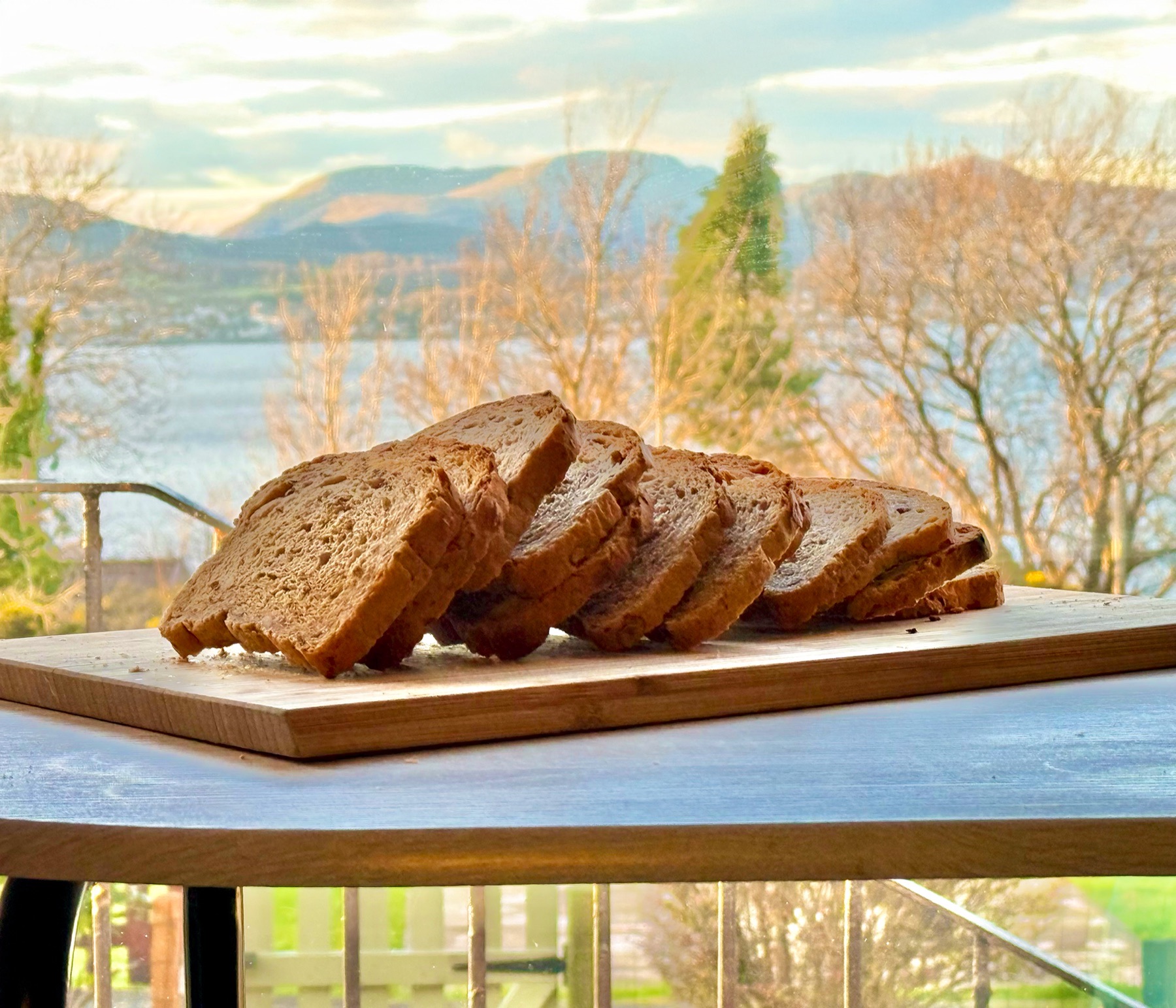
When is National Homemade Bread Day?
National Homemade Bread Day falls on 17 November every year. It is observed in the United States, though the idea behind it, baking your own bread, belongs to everyone. Because the date is fixed, it lands on a different weekday each year, but the seventeenth of November never moves.
Where does the day come from?
The day is observed each year on 17 November. Its exact origin is not formally recorded, which is true of many food observances. What it marks is clear enough: the long, everyday tradition of making bread by hand, at home, the way people did for centuries before the wrapped supermarket loaf existed.
Bread is one of the oldest prepared foods we know of, made in some form for thousands of years across almost every culture. Setting aside a day for the homemade version is a small nod to that history, and a reminder that four humble ingredients still turn into something worth gathering around.
Why homemade bread is worth celebrating
Most bread sold in supermarkets is made on an industrial scale, and to survive days on a shelf it usually carries things a traditional loaf never had: emulsifiers, preservatives, dough conditioners and added sugars. Bread you make yourself needs none of them.
- Real ingredients. A proper loaf is flour, water, yeast and salt. Anything more, seeds, a little oil, a spoon of honey, is your choice rather than a factory's recipe.
- You decide what goes in. Less salt, more wholemeal flour (called whole wheat in the United States), no additives at all. The loaf is yours to shape.
- It is cheaper than it looks. A loaf baked at home usually costs less per loaf than a comparable additive-free bakery bread.
- The making is half the point. Mixing, kneading and waiting for a rise is slow in the best sense: a quiet stretch of time that a lot of people find genuinely settling.
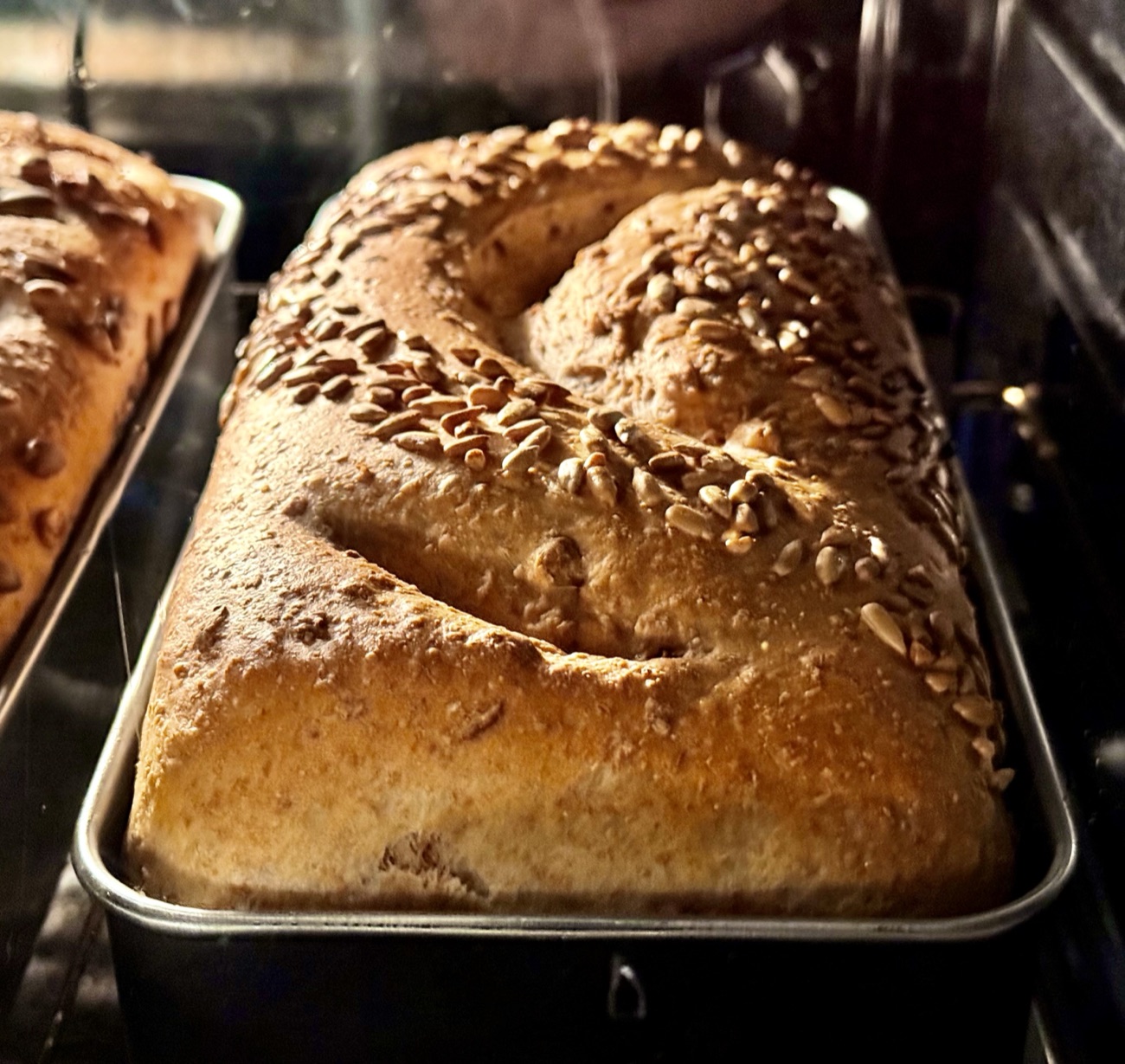
How to celebrate it: bake your first loaf
You do not need a bakery's worth of equipment, and you do not need a sourdough starter. A simple loaf on the day itself is the whole idea. Here is the shape of it, start to finish:
- Mix. Combine bread flour (strong flour, in British kitchens), lukewarm water, a little instant yeast and salt into a rough, shaggy dough. Wholemeal flour in the mix, or a handful of seeds, gives you a loaf with more character and more goodness, and asks no extra skill.
- Knead. Work it for around ten minutes, until it turns smooth and stretchy.
- First rise. Cover the bowl and leave it until roughly doubled in size, usually one to one and a half hours in a warm kitchen.
- Shape and rise again. Shape the dough and settle it into a greased loaf tin (a loaf pan), then let it rise until it crowns just above the rim.
- Bake. Bake in a hot oven until deep golden on top and hollow-sounding when you tap the base.
The one thing that trips up beginners is guessing the amounts. Bread is really a set of ratios, and getting the water and salt right for your flour and your tin is what separates a dense brick from a light, even crumb. That is the part worth taking the guesswork out of.
Let the numbers be worked out for you
Breaditorial is an iPhone app that calculates the exact weights for your tin and your flour, guides you through every step with timers, and keeps a journal of every loaf so each one improves on the last. A calm, genuinely foolproof way to bake real bread, with no guesswork.

Frequently asked questions
When is National Homemade Bread Day?
It falls on 17 November every year.
Who started National Homemade Bread Day?
It is observed annually in the United States on 17 November. Its exact origin is not formally documented, but it celebrates the tradition of baking bread at home.
How do you celebrate National Homemade Bread Day?
Bake a loaf. It needs only flour, water, yeast and salt, and a wholemeal or seeded loaf gives you more goodness for the same effort, with no additives at all.
What is the easiest bread for a beginner to make?
A simple loaf baked in a tin. A blend of wholemeal and white flour is forgiving and full of flavour, and a scatter of seeds needs no extra skill.